
Potatoes
Turn potato variability into consistent yield
Measure, monitor and automatically optimize quality and process parameters across your potato processing line from intake to final pack.
Discover Polysense for potatoes











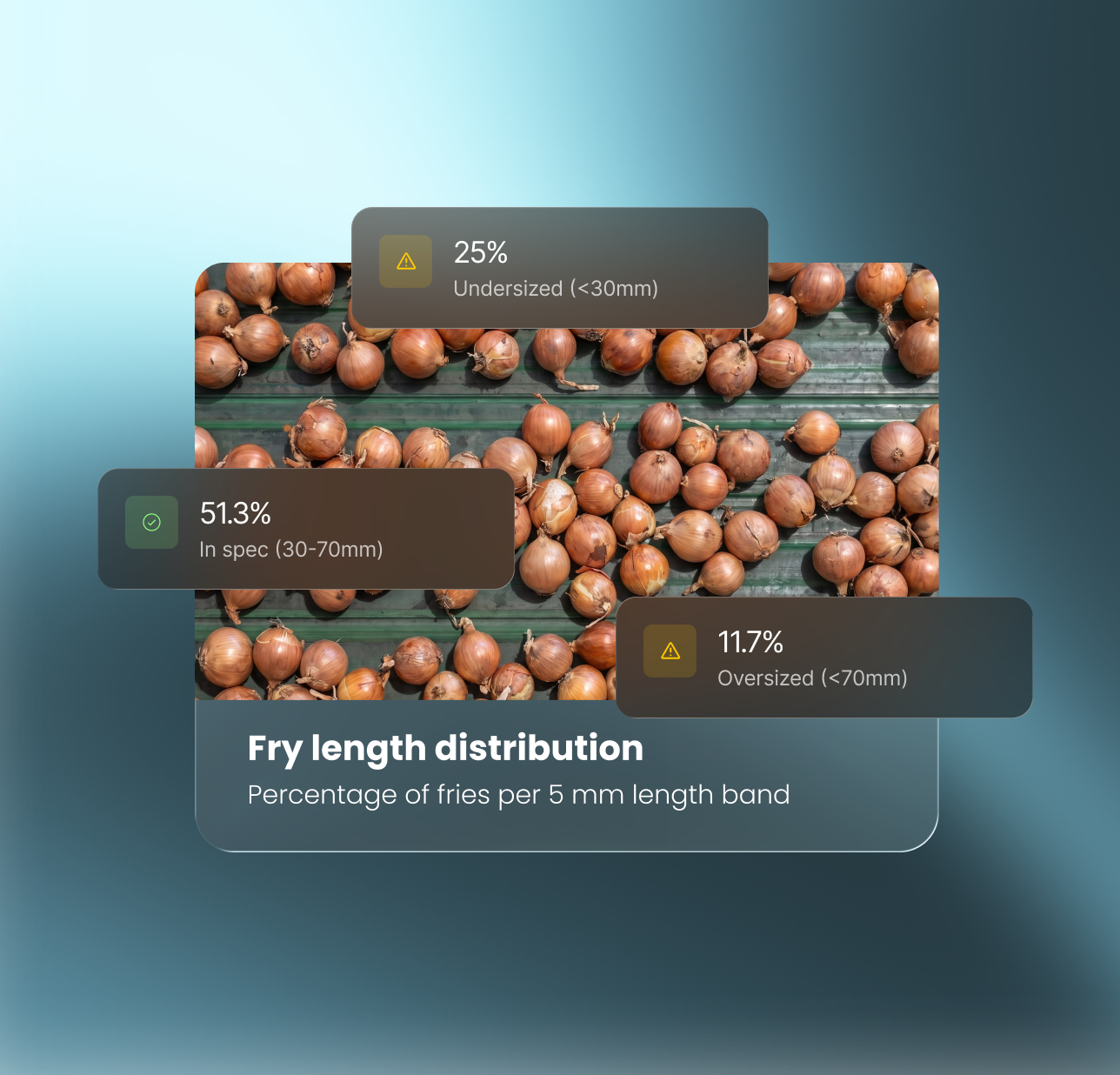

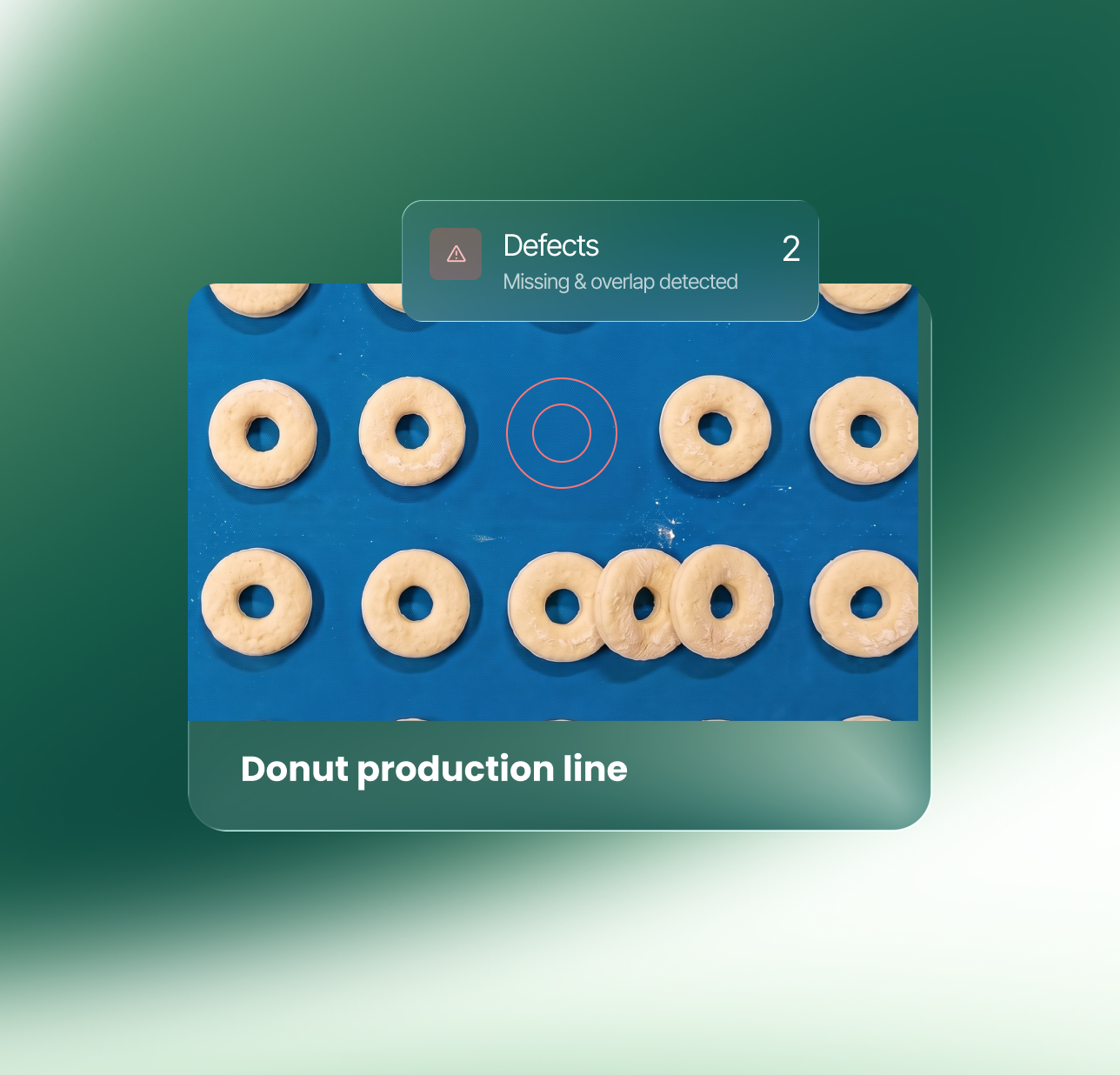

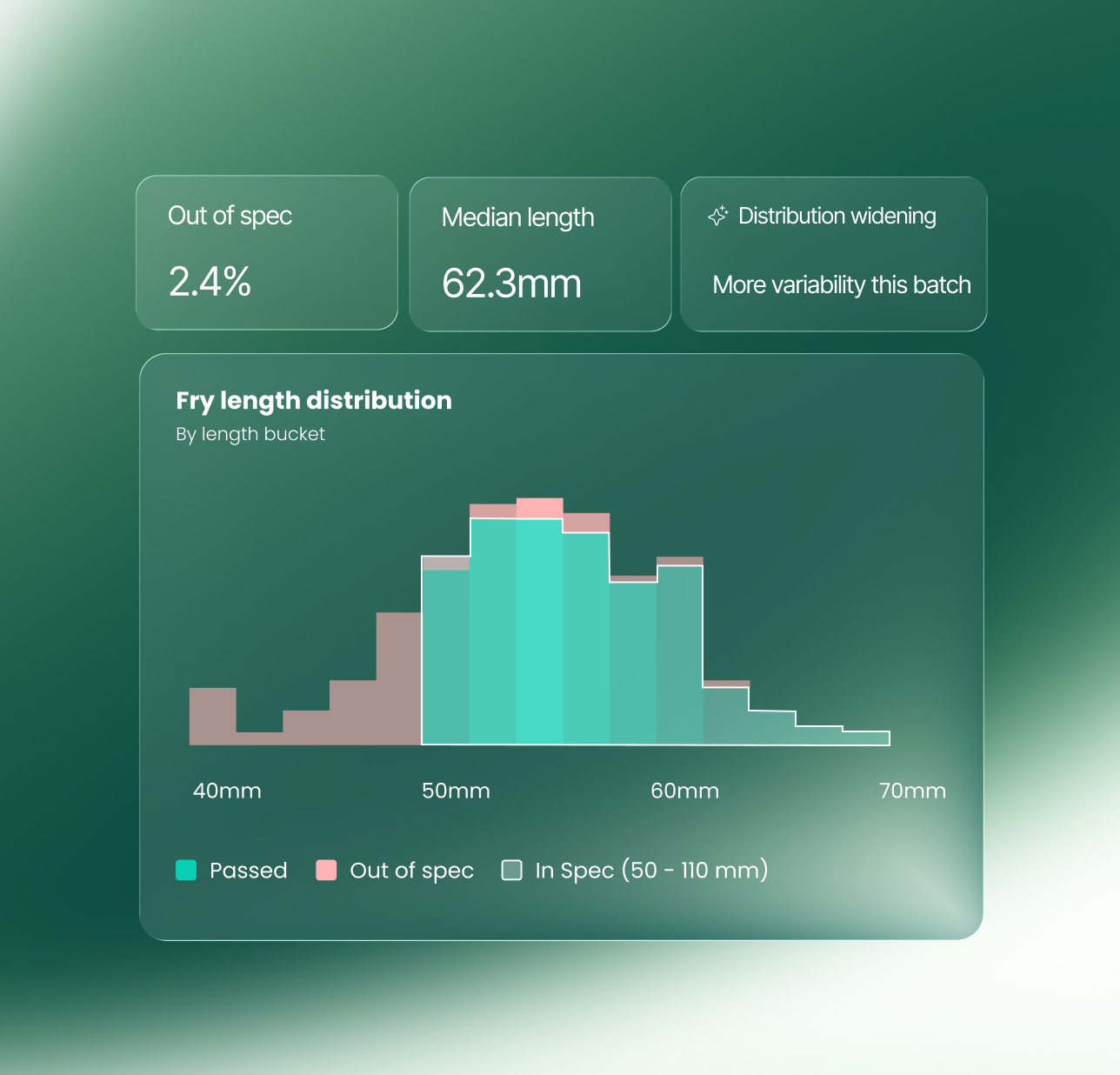
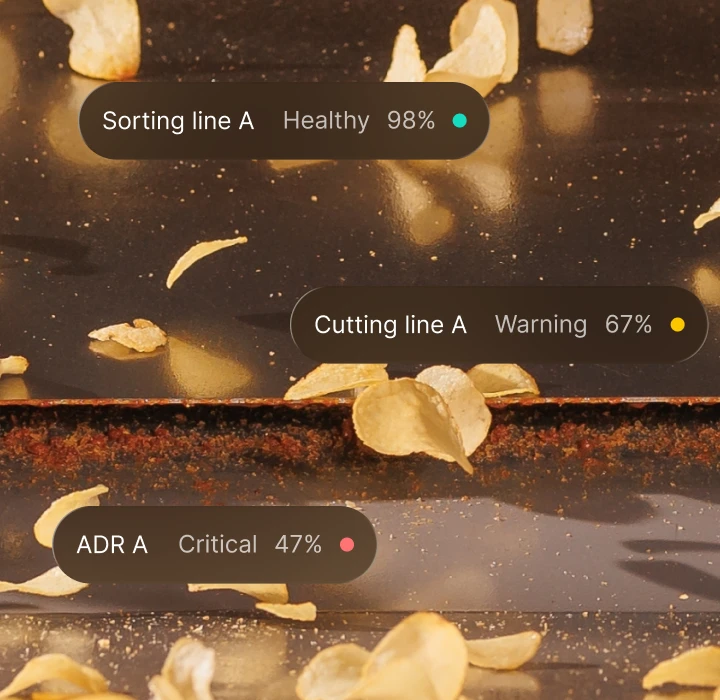
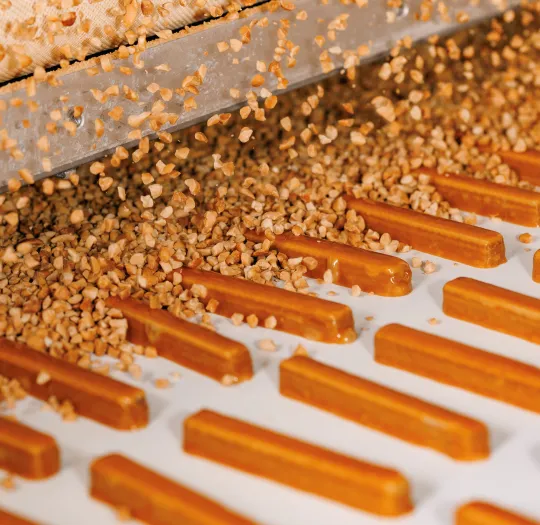
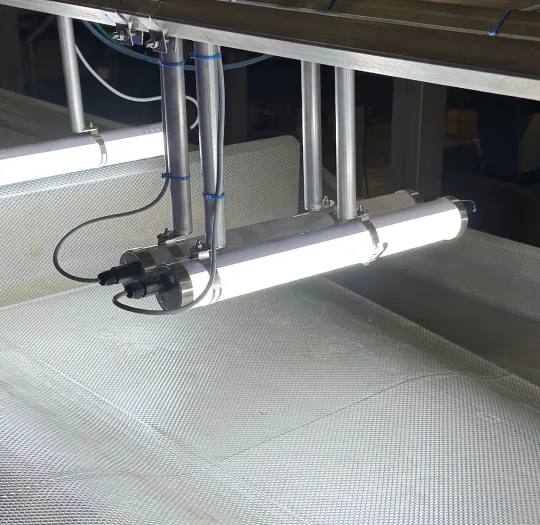
Polysense provides the camera hardware required to measure product characteristics directly on the production line. No need to buy new machines or adapt your current production line.
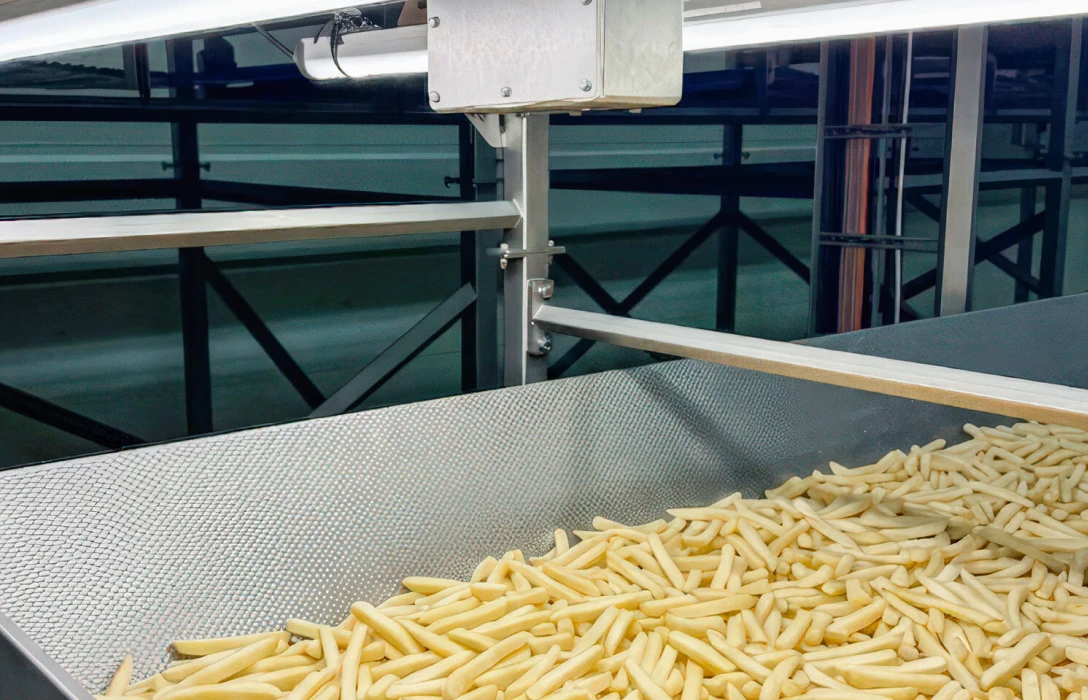
Polysense connects directly to your production environment to turn product measurements into real-time production insight.




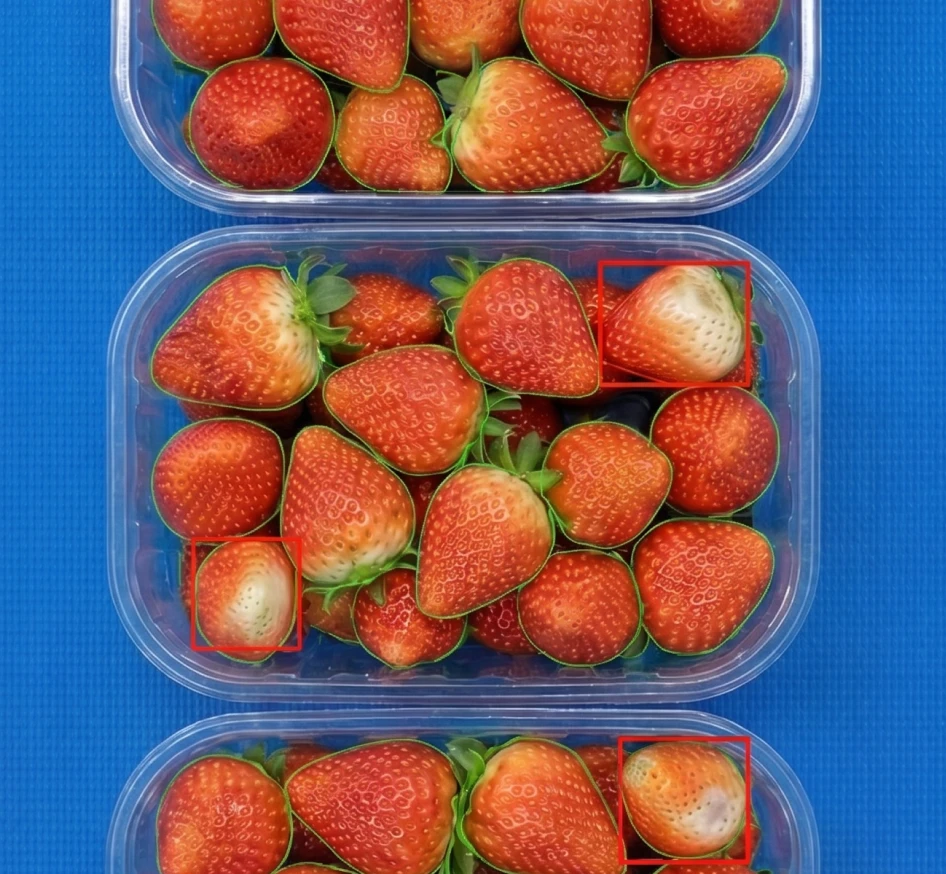
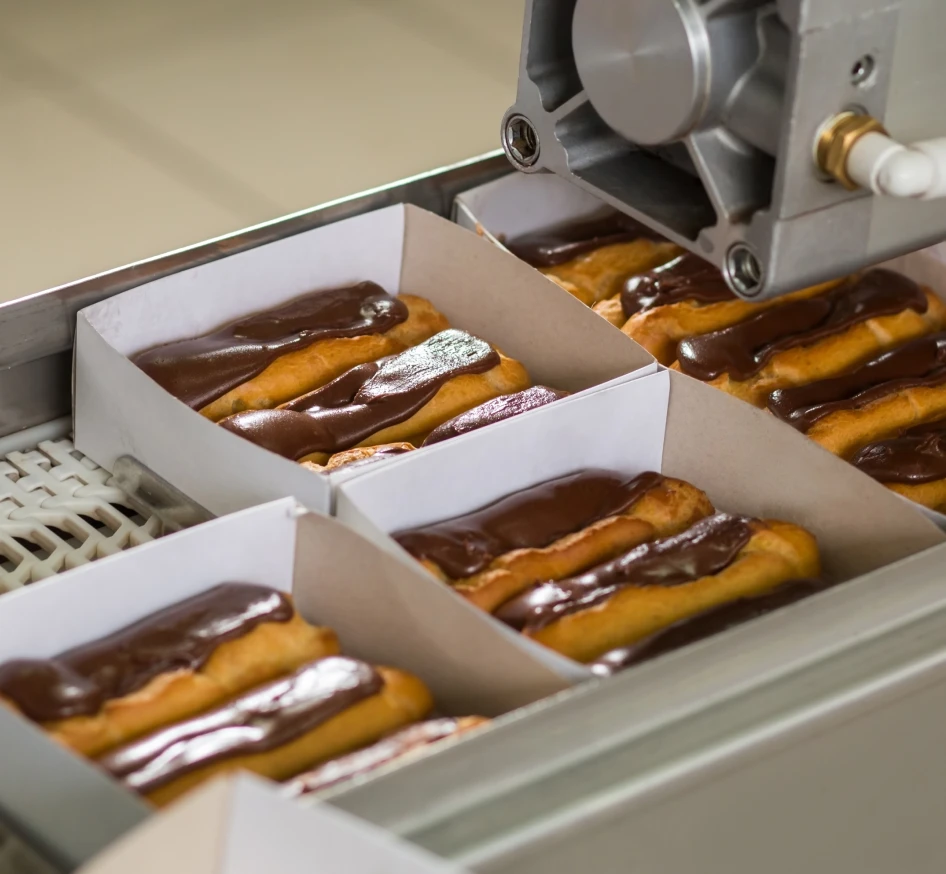
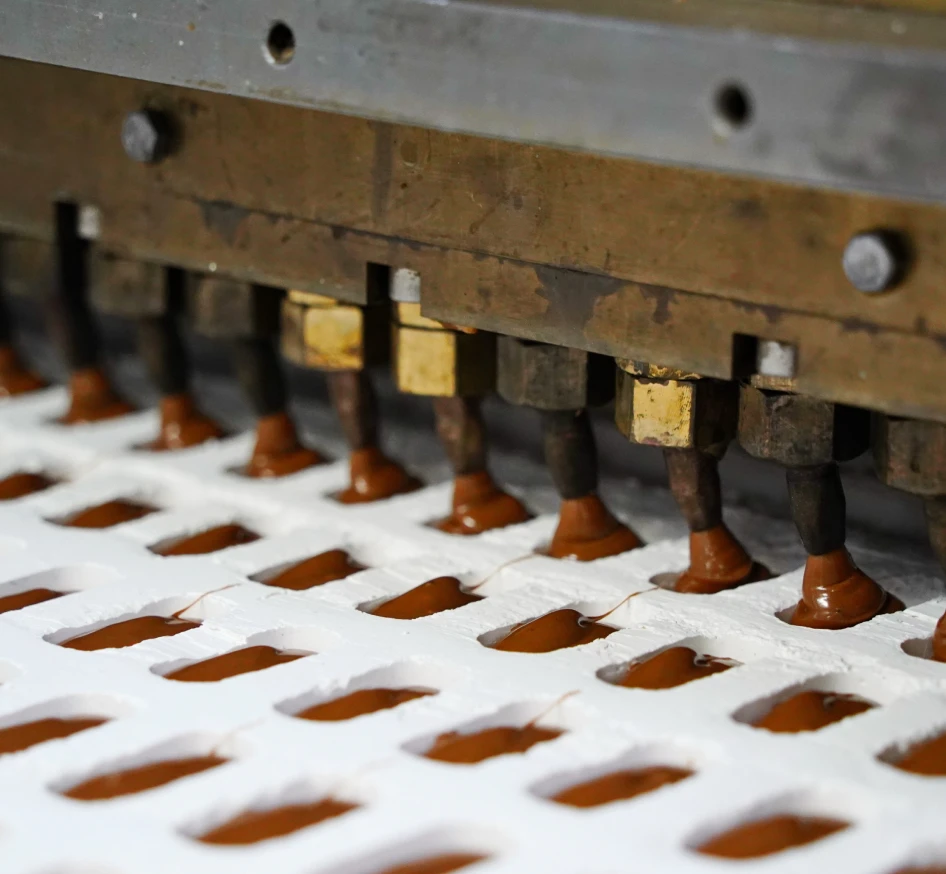
Yes. Polysense is configured to the specific quality parameters that matter for each product on your line. When your line changes over, the system automatically measures against the correct criteria for the product being produced.
Polysense can also automatically detect specification changes through integrations with MES or ERP systems, ensuring the right inspection settings are always applied without manual intervention.
Metal detectors catch metal. They miss plastic, rubber, organic material and other contaminants that are among the most common causes of recalls in food production today. Polysense adds a vision-based layer of detection that catches what metal detectors cannot, earlier in the process and before product is packaged.
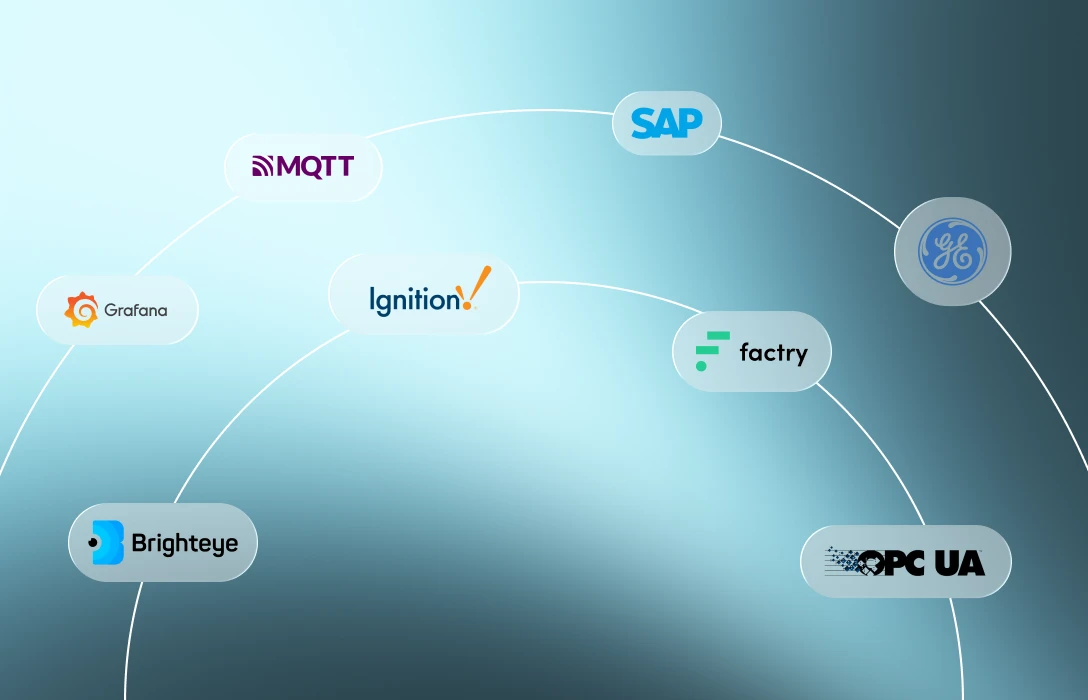
Polysense integrates with the systems already running on your shop floor, including SCADA, MES and PLC platforms. Measurement results flow directly into the systems your team already uses, including your central dashboards and reporting tools. No parallel infrastructure required.
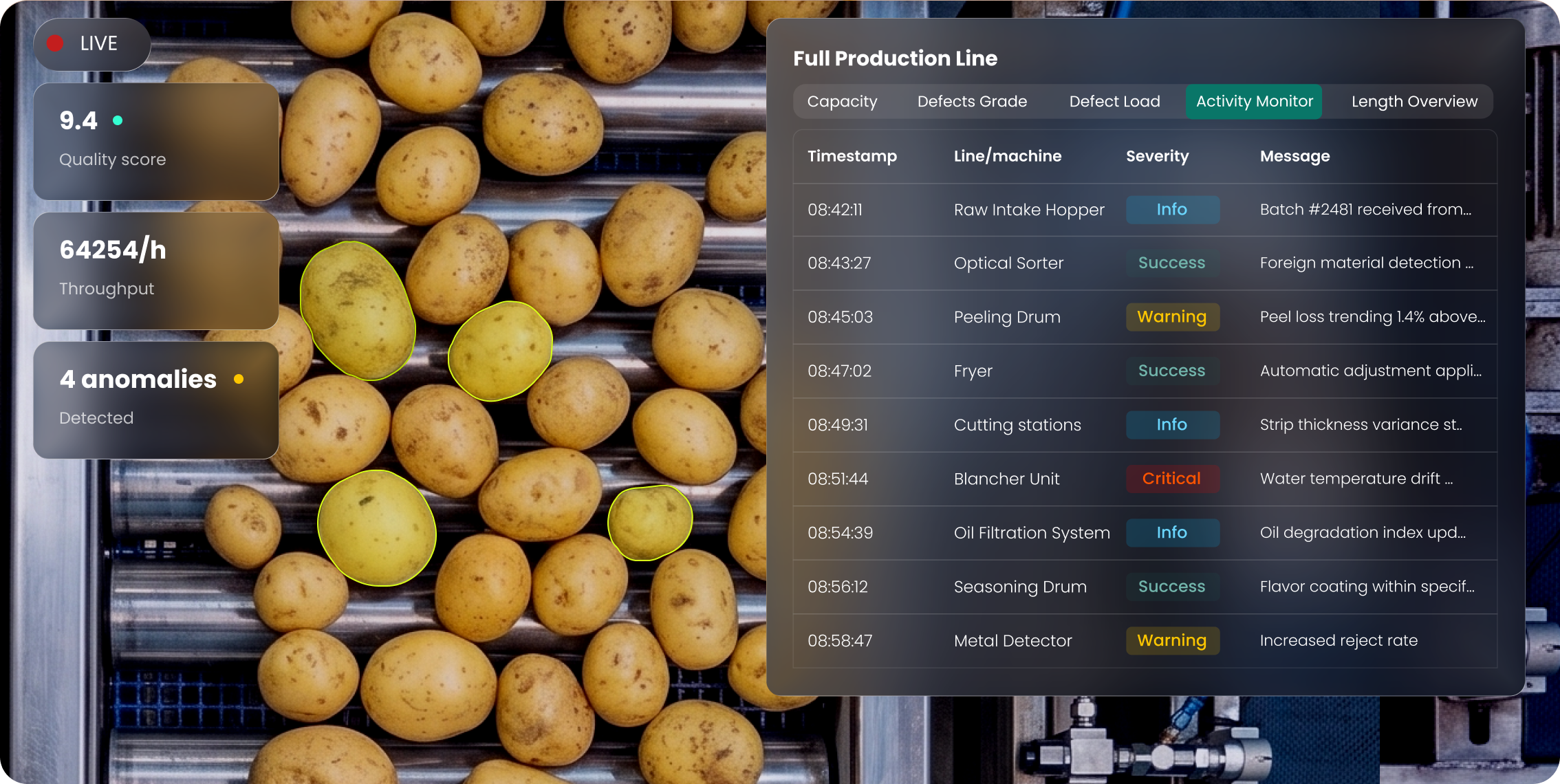
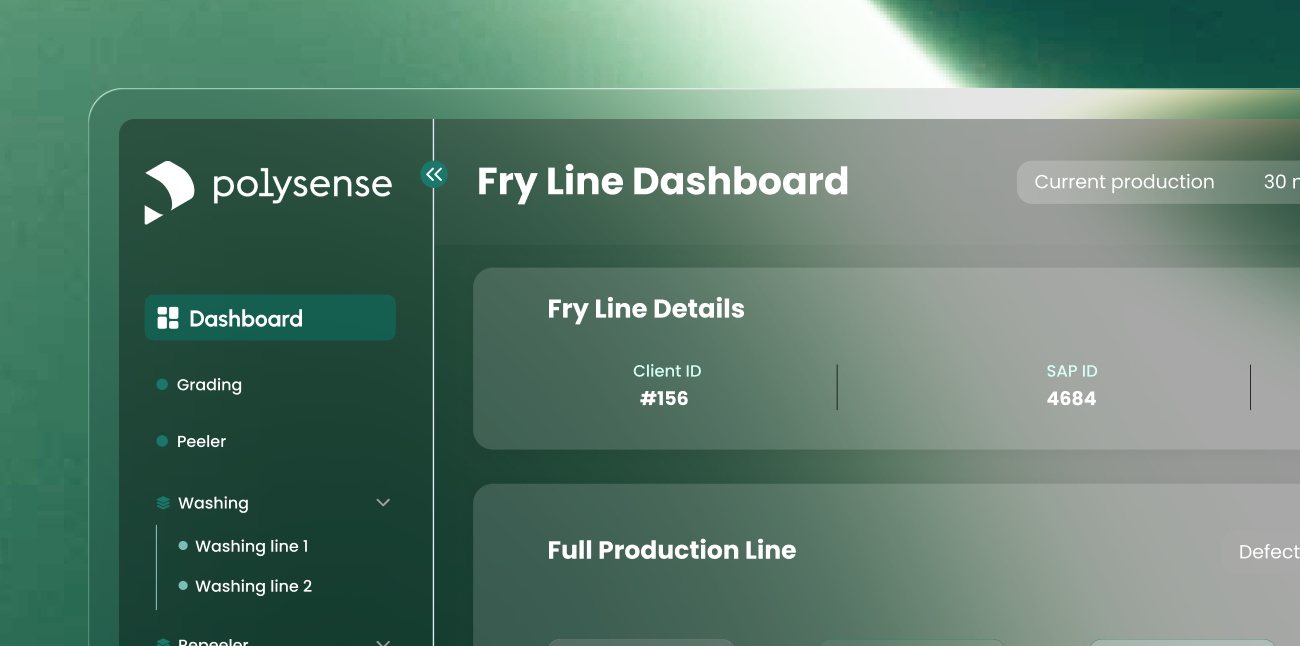
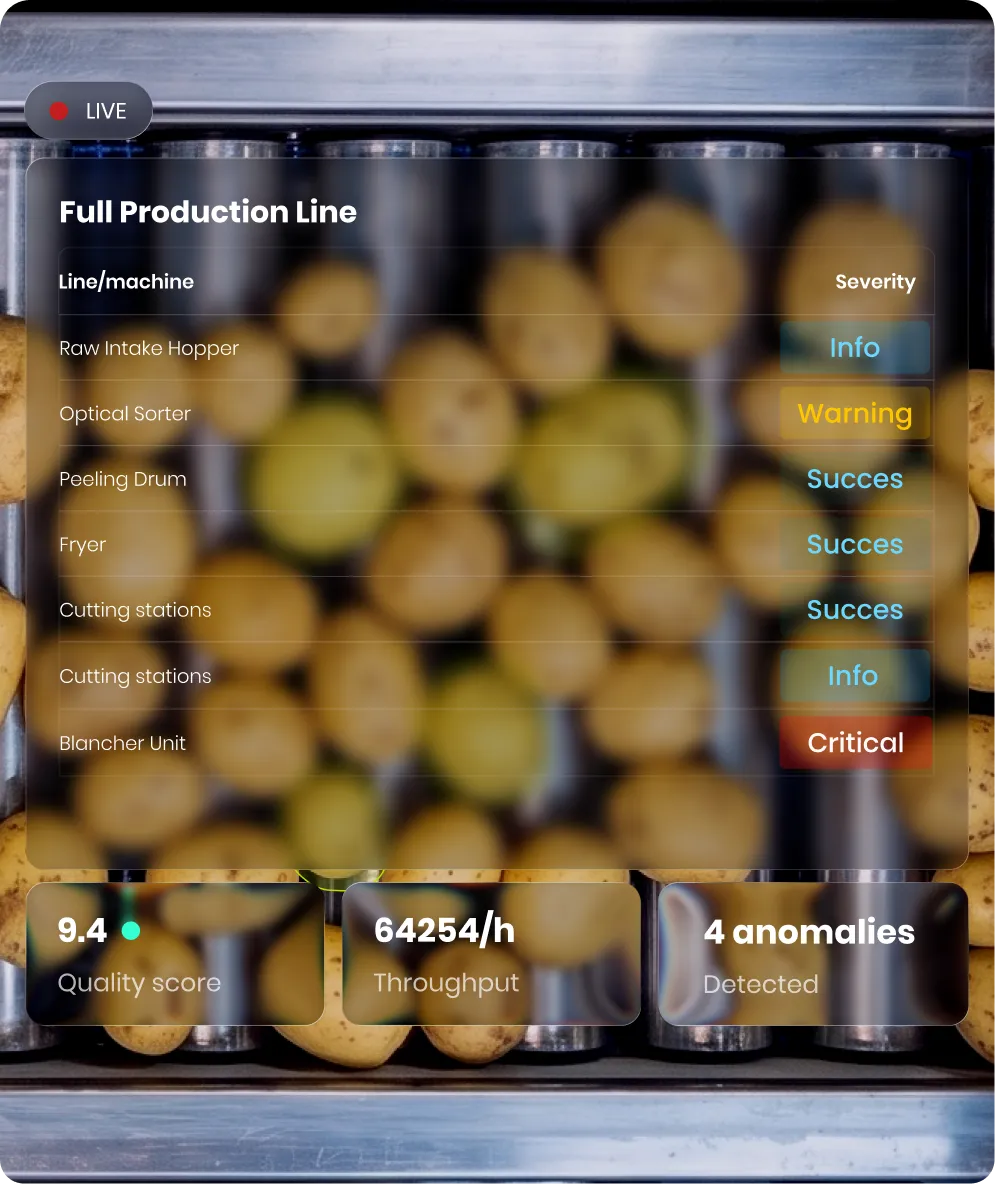
Results are visible in real-time dashboards, with alerts when quality drifts outside your defined thresholds. Data also integrates with your existing systems, including SCADA, MES and PLC platforms, so your team sees everything in the tools they already use.
Yes. Polysense is configured to detect and classify specific defect types relevant to your line and your quality standards. Whether you need itemized defect categories or a general defect rate, the system is set up around the parameters that matter for your operation and your customers.
No. Polysense is designed to install on the line you already have. We connect to your existing equipment with minimal hardware changes, including peelers, cutters, sorters and washers. Most lines are up and running within a few weeks.
That's common. Most vision systems are built as generic tools that don't account for the realities of food processing. Polysense is different in two ways: we focus exclusively on food production, and we've built deep, hands-on understanding of how real potato processing lines actually behave. We work directly with potato processors, so the system is designed around yield, variability and production constraints, not lab conditions.
Manual quality control depends on samples taken at intervals, typically once an hour or less. By the time a problem shows up in a sample, large volumes of affected product have already been processed. Polysense Qualify detects issues the moment they appear and alerts your team while there is still time to act. It also removes the subjectivity that comes with operator-dependent inspection, so your quality measurements mean the same thing on every shift.
Polysense Qualify measures product quality inline, in real time, at production speed. It uses vision systems to detect defects, measure dimensions, monitor colour and identify foreign material continuously across your production line. Where manual sampling might inspect one in every ten thousand products, Qualify measures everything, giving you a representative and objective picture of what is actually happening on your line.