


How Poppies Bakeries is cutting eclair waste with Polysense Qualify

Related products

The partner
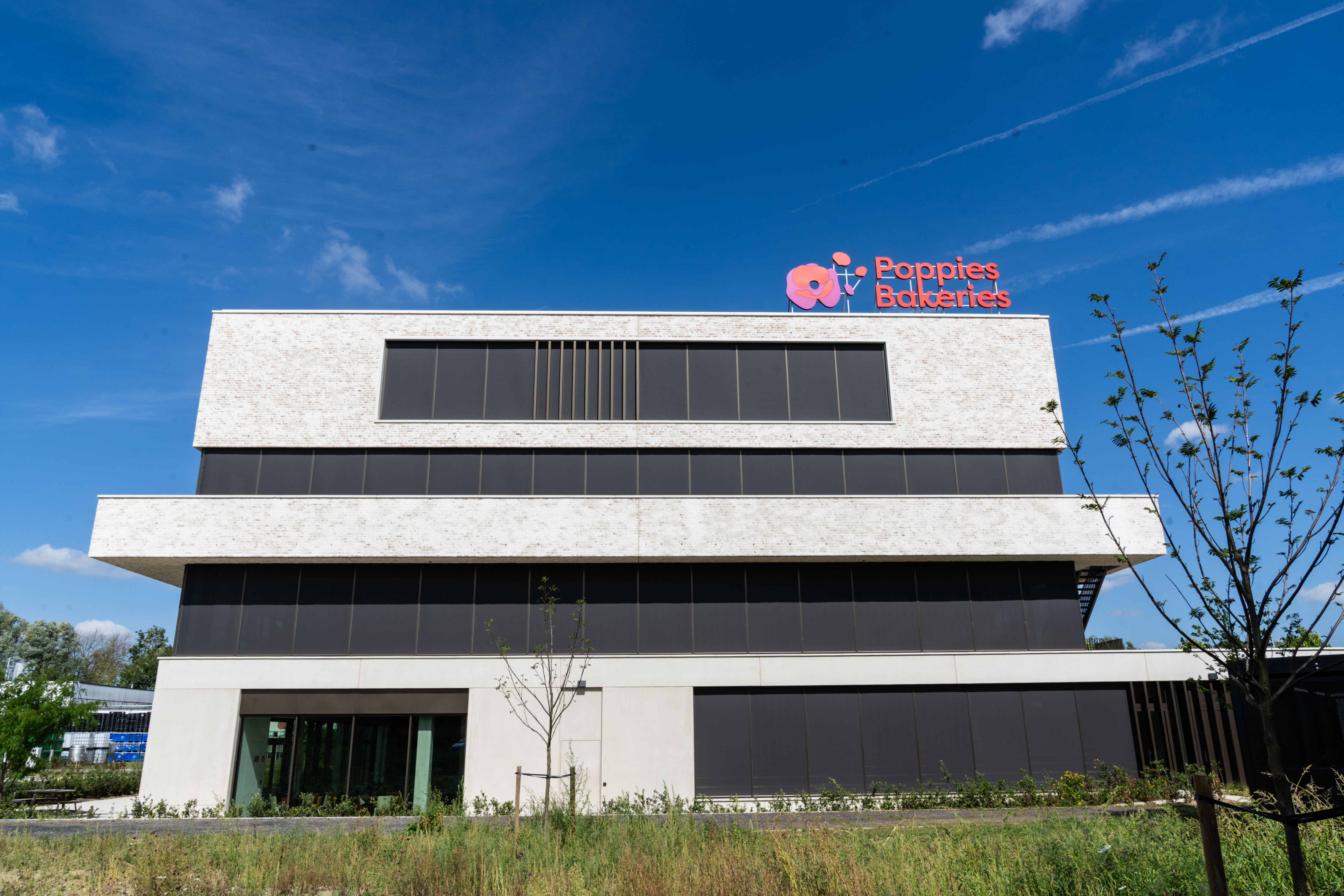
Poppies Bakeries, a family-owned Belgian bakery group producing eclairs, pastries, and more since 1976
Poppies Bakeries is a family-owned bakery group headquartered in Belgium, founded in 1976 by Frans Castelein and Luc Popelier. The company has grown into an international group with 13 bakeries across Europe and the United States, more than 1,400 employees, and products sold in over 64 countries.
The eclair line featured here runs at Poppies' Zonnebeke site, one of the group's two facilities in the town, where cookies, pastries, cream puffs, and eclairs are produced under strict quality and food safety standards.
The challenge
Keeping every eclair consistent, on a line that never stops.
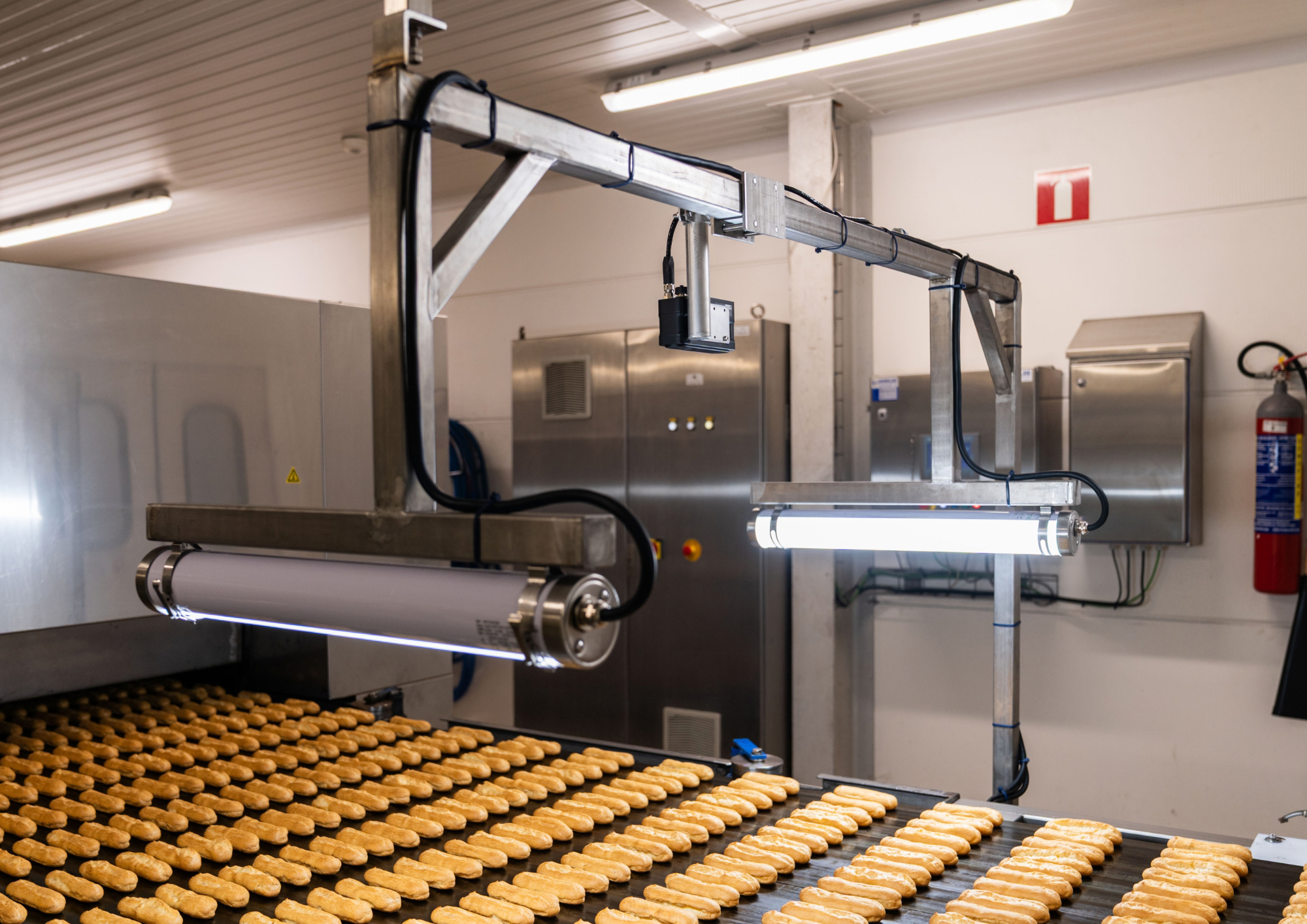
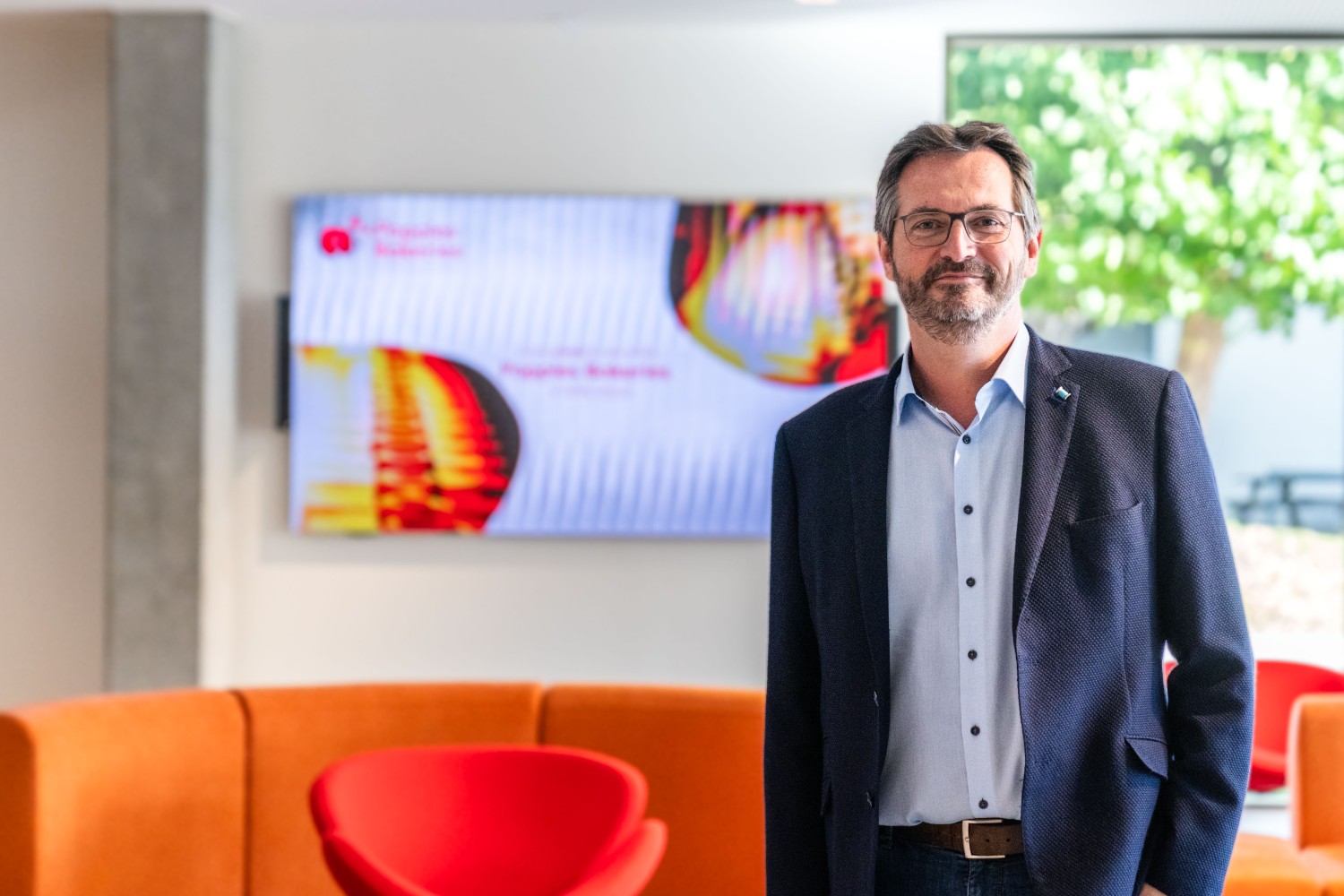
Poppies' eclair line is continuous, and Steffan Watté, COO of the Frozen division, says that is exactly what makes quality control hard. “We have what I'd call a delay in our measurements,” he says. “Because our process is continuous, that means we're by definition always too late. By the time a change we make actually takes effect, ten, fifteen, twenty minutes have passed. During that window, there's a real risk we're producing lower-quality product, simply because the process never stops.”
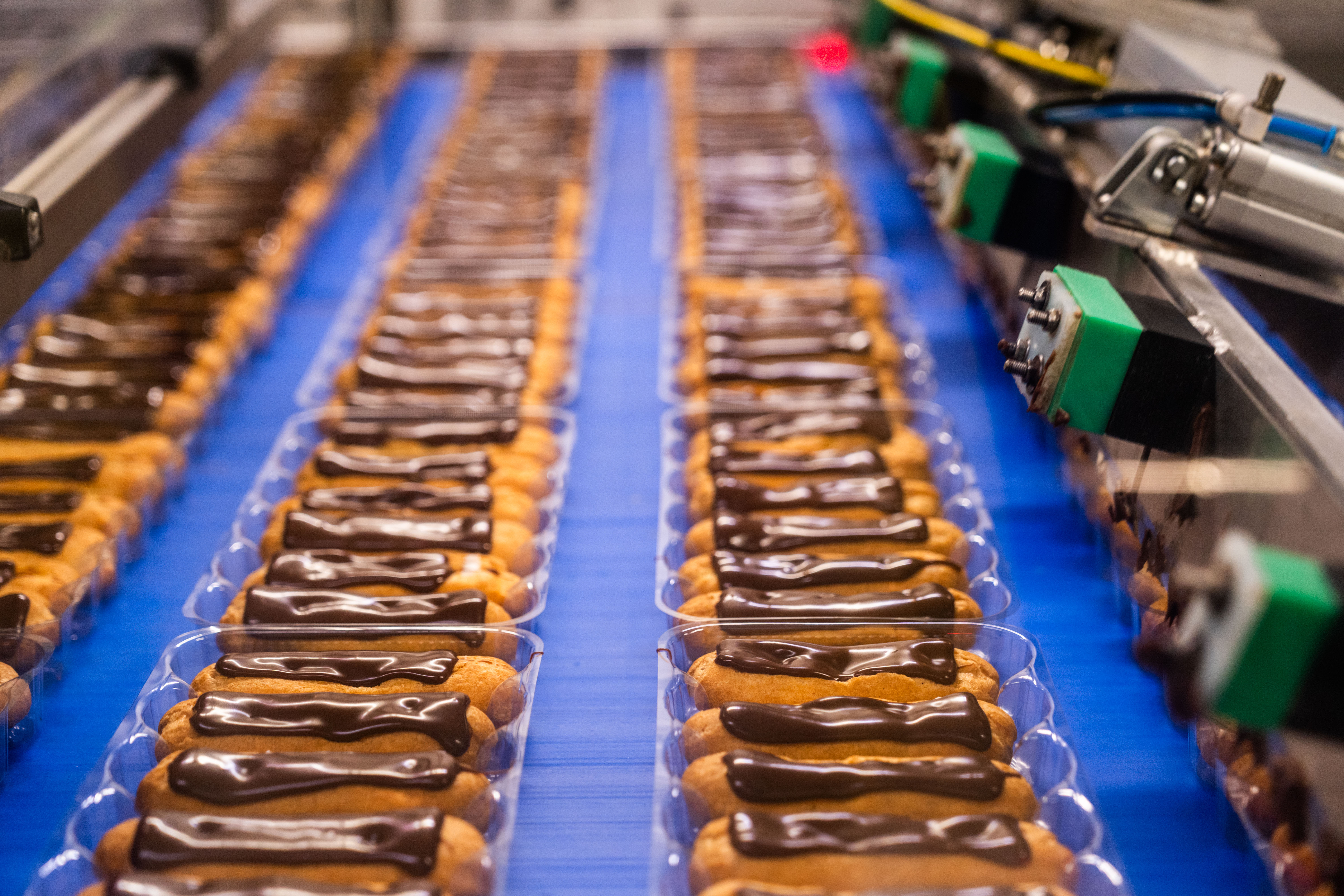
Before Polysense, quality control on the line was manual and based on samples. Kris Vangheluwe, Plant Manager at the Zonnebeke site, and his team would check length, width, and height with calipers, on a handful of products at a time. “We'd take an average of maybe five eclairs, off an oven belt that produces hundreds a minute,” he says. “That's a first read, but it's not a good analysis of your end product.” A short eclair often wasn't caught until well after it left the oven, sometimes not until it had already been filled and coated in chocolate, by which point the waste was already made.

The solution
Introducing Polysense Qualify on Poppies' eclair line
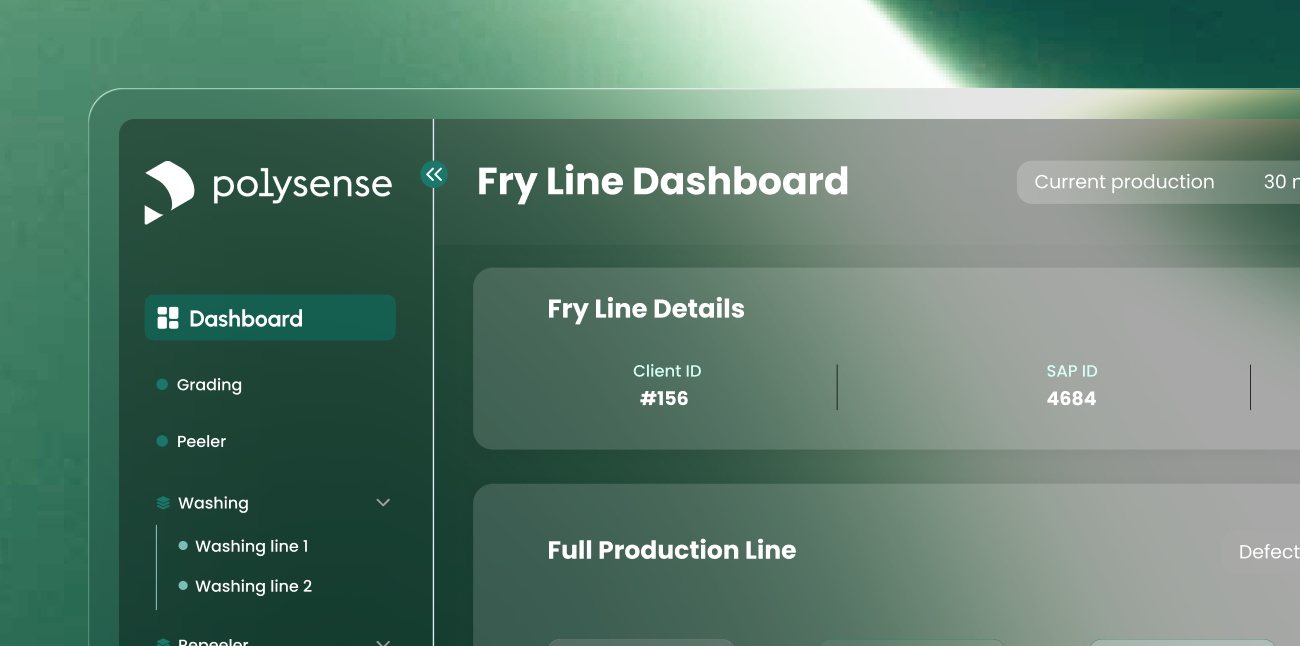
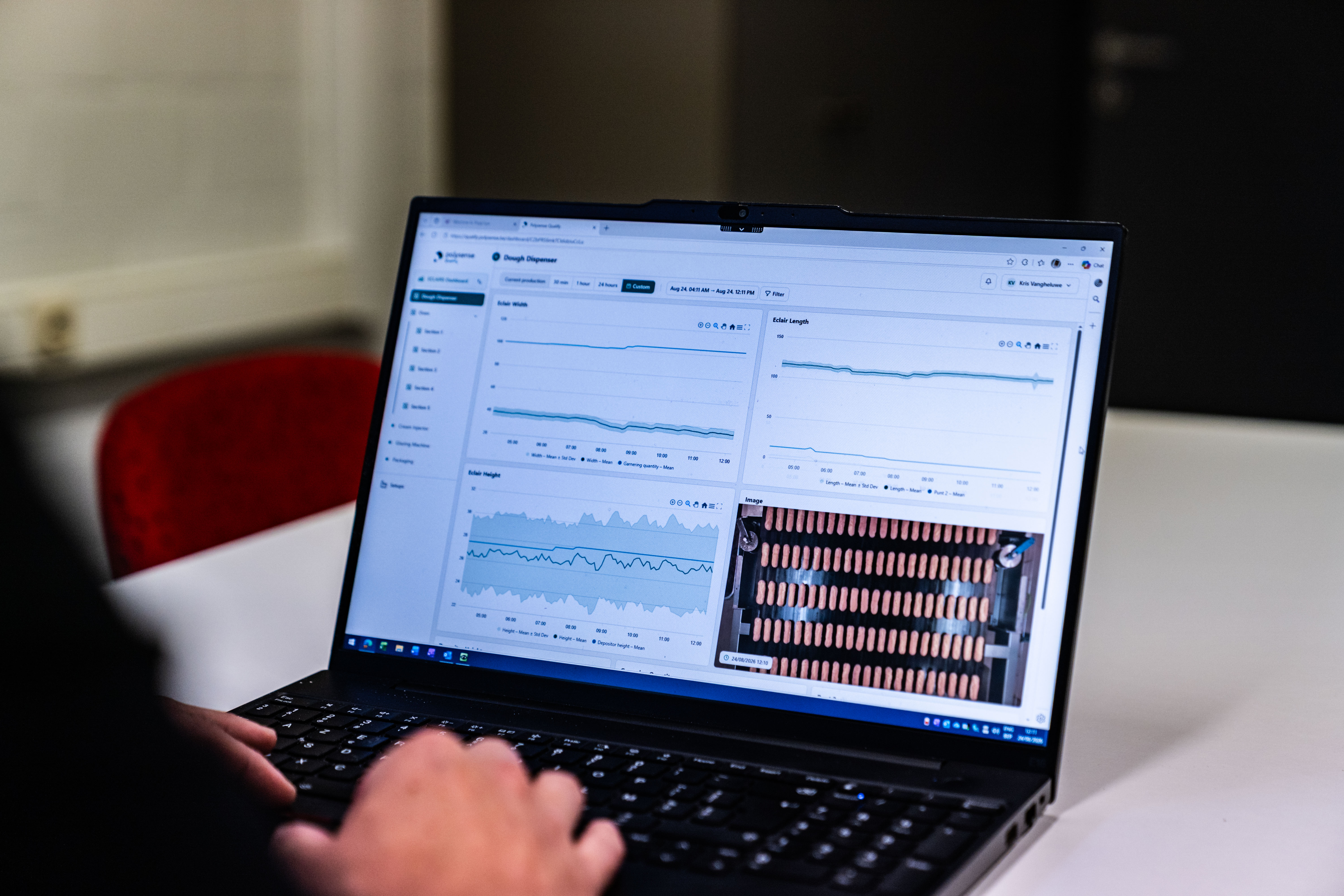
Polysense Qualify checks every single eclair coming off the line, for length, width, height, and colour, the moment it leaves the oven. The data is shown on screens on the floor, colour-coded against pre-set norms, so production leads and bakers can act on it immediately instead of waiting for a manual check.
“With one type of eclair, we noticed there was some empty space left in each cavity of the tray and the blister pack,” Vangheluwe recalls. “We pulled up the Polysense data, and we could see immediately that we were producing outside the norms. We used the data to adjust the machine until we had a product that fell back within the norms, and then our blister packs were filled much better.”
The impact
Less waste, and a level of insight the old process never had.
Catching a deviation the moment it happens, rather than after a batch is filled and coated, means less product is wasted. It has also changed how shift leads coach operators: when a baker adjusts a machine setting that did not need changing, the data now shows exactly when and why. “That's real added value for a shift lead,” Vangheluwe says. Watté sees the same shift in how his team works: “It's still up to the operator to judge whether that's correct, and because of that, the operator's knowledge level actually rises. Consider it a form of training.”
Polysense Qualify is live on the eclair line today, and Poppies already sees room to extend it across its other production lines, and even to design future lines around it from day one. Asked what Poppies would lose if Polysense disappeared from the line, Watté doesn't hesitate: “Insight. Very simply, insight. We'd just go back to the old system, and we'd miss out on a lot of insight, because we would no longer be able to properly interpret that volume of data.”
Ready to see what machine vision can do for your production?