




Ask most people where food waste happens, and they'll point to two places: the supermarket that throws out bruised bananas, and the fridge at home where last week's leftovers went unnoticed. Both are real. Both are also only part of the picture, and arguably not even the bigger part.
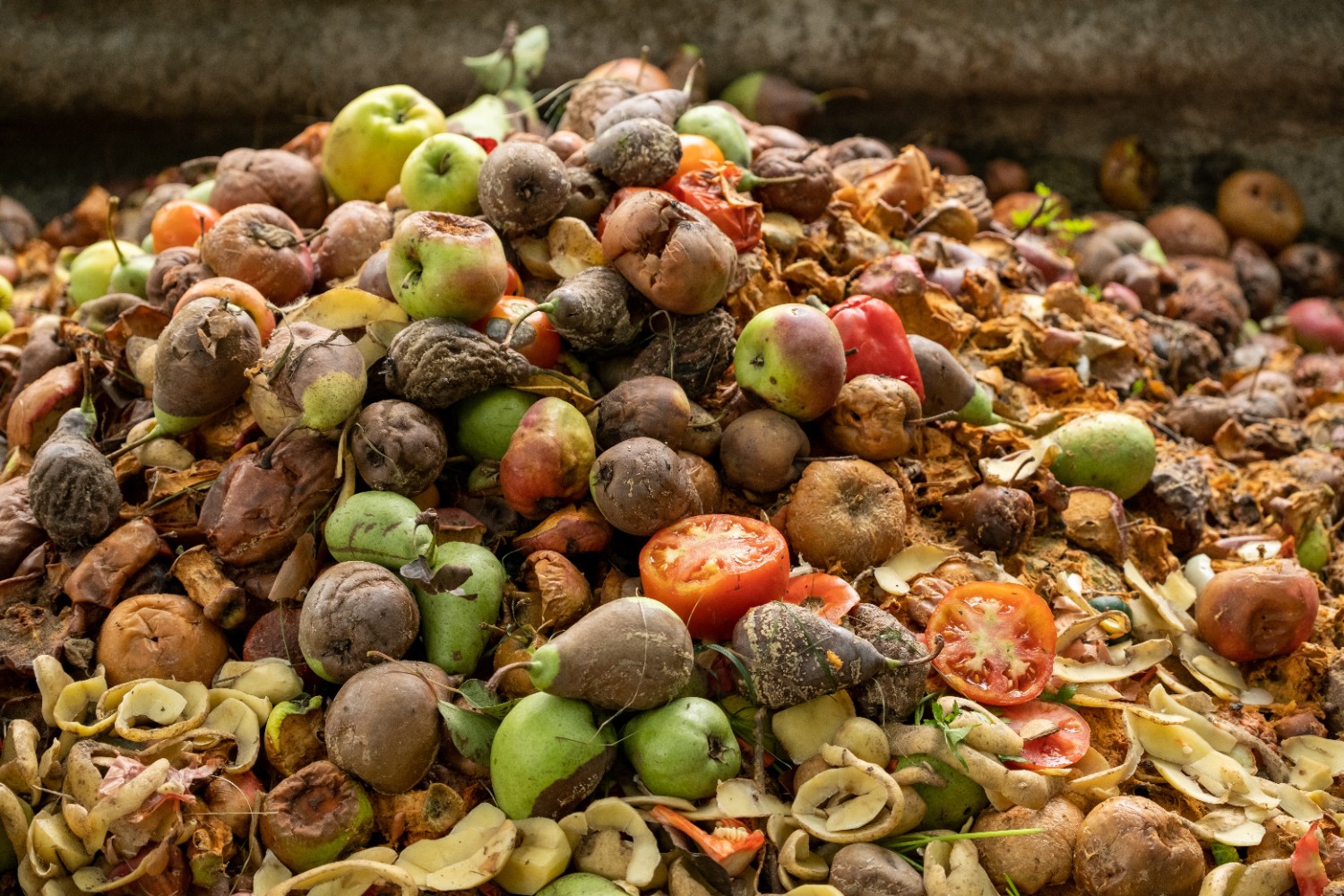
Researchers split it into two separate problems. Food loss is what disappears before food ever reaches a retailer: crops left in the field, spoilage in transit, product discarded in a factory before it's ever packaged. Food waste is what disappears afterwards, at retail, in food service, or in the home. Almost all of the public conversation, and most of the guilt, is aimed at the second category. The first quietly accounts for nearly as much.
By FAO's count, roughly 13% of the world's food is lost between harvest and retail. Separately, UNEP estimates that another 19% is wasted at retail, food service, and household level. Together, food loss and waste generate something like 8-10% of global greenhouse gas emissions.
This article is about that first number: the food that disappears quietly, before it ever reaches a shelf.
Most of it happens somewhere nobody's watching
A good share of that loss starts at harvest, for reasons that have nothing to do with whether the food is actually edible: it doesn't meet a size or appearance standard, runs short-staffed or equipment breaks down during a peak harvest window, or bad weather forces an early or late pick.
The trip that follows isn't much kinder. Cold storage that isn't quite cold enough, packaging that isn't quite protective enough, a delay that runs a few hours too long: fruits, vegetables, roots, and tubers don't need much of a window before spoilage sets in. Handling and transport together are estimated to account for nearly half of everything lost before food ever reaches a factory. None of this happens where a shopper, or a headline, would ever see it, which is probably why it gets so little attention compared to what happens at the checkout counter.
The loss hiding on the factory floor
There's one part of that invisible loss that gets talked about even less than the rest: what happens once food reaches a production line. In the EU, food and beverage manufacturing accounts for 19% of all food waste, according to Eurostat, second only to households, and roughly on par with restaurants, retail, and farms combined.
The reason is mostly structural. Raw materials change constantly: moisture, density, size, and other characteristics shift from batch to batch, sometimes load to load. Production settings, more often than not, stay fixed. The complexity and speed of a modern line make that mismatch hard to catch in time, and by the time a problem is visible to the naked eye, the product is already lost.
The one part of the chain we can actually fix in real time
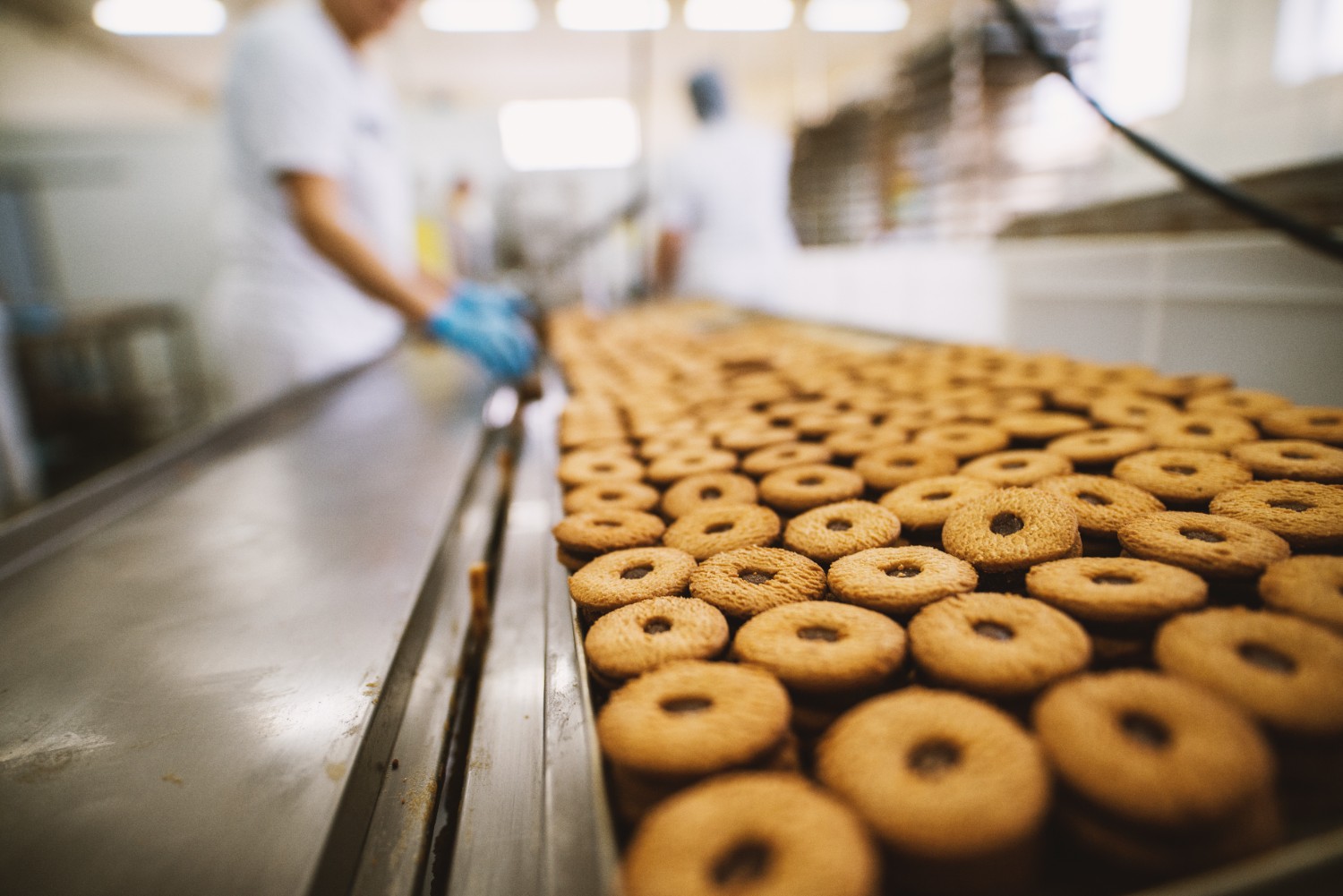
Losses on the farm and in transport are shaped by weather, infrastructure, and logistics: hard problems that unfold over days or weeks. A production line moves differently, tons of product an hour, in the span of milliseconds. That also makes it the one place in the chain where a factory has the most direct ability to catch a problem as it happens, rather than after the fact, and it's exactly where Polysense works.
Manual sampling checks a fraction of what passes down the line and only tells you about a problem once a run is already finished. Polysense's AI-powered vision systems inspect every single unit passing through instead, flagging quality drift the moment it starts and automatically adjusting machine settings before a deviation turns into a discarded batch. It won't fix what happens upstream in the field or in transport, but it closes the one gap where waste happens in real time.
Once you separate food loss from food waste, the story looks different. Nearly as much food disappears before a receipt is ever printed as is wasted by every retailer, restaurant, and household combined, and it simply never makes the news. Most of that happens somewhere no one can step in and change it mid-process. The factory floor is the exception. Polysense is built for it.
.jpg)